
Everything About 6/8 Time Signature Songs You Need to Know
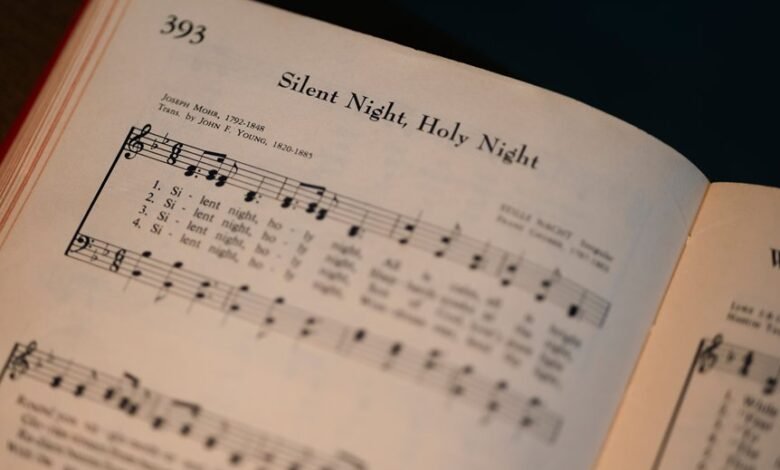
Six-eight time treats each bar as two primary triplets, yielding a compound-duple pulse with lilting propulsion. The groove rests on flexible accents, cross-rank textures, and pedal commitments that blur the line between pulse and flourish. Across eras, composers seek cohesion over marching certainty, favoring propulsion and ambiguity. The discussion will map how this metric shapes feel, groove construction, and practical arrangement strategies, inviting the reader to consider how to apply these principles in varied contexts.
What 6/8 Time Really Means for Song Rhythm
The 6/8 time signature organizes rhythm into two groups of three eighth notes, producing a compound-duple feel that favors a lilting, flowing pulse rather than a strict, marching beat. This framework yields distinct rhythmic accents, guiding listeners toward a flexible groove strategy. From a rhythm insight perspective, two word ideas emerge: propulsion and cohesion, reinforcing musical motion without rigidity.
Classic and Modern Songs Using 6/8
Classic and modern songs in 6/8 exhibit how the two-triplet, compound-duple framework can shape diverse rhythmic vocabularies. Analysis reveals persistent classic patterns, where grouping reinforces predictable pulse, while contemporary works experiment with syncopation and cross-rank accents.
This examination emphasizes rhythmic subdivision as a measurable, shared trait across eras, enabling composers to balance propulsion and ambiguity within the 6/8 skeleton.
How to Groove in 6/8 on Guitar or Piano
Guitar and piano players approach 6/8 groove by treating the two primary subdivisions—the two triplets per measure—as the fundamental pulse framework, then layering accents, articulations, and rhythmic displacement to shape propulsion.
The approach emphasizes a consistent groove feel, pedal points, and selective syncopation.
Arranging tips center on dynamic shading, texture contrasts, and role assignment across voices for clarity.
Recognizing 6/8 in Any Genre and Arranging Tips
Recognizing 6/8 in any genre requires a precise ear for its characteristic grouping: two primary triplet subdivisions per measure, often felt as a flowing compound-meter pulse rather than a simple eight-beat count.
In practice, analysts identify layered accents, phrasing, and tempo relationships to inform arranging decisions, two word discussion ideas, Subtopic not relevant to Other H2s, guiding flexible yet rigorous creative choices.
Frequently Asked Questions
Can 6/8 Feel Like Compound or Simple Meter in Performance?
Yes, it can feel like either; performers emphasize duple groupings within a triple pulse, producing a compound perception, or stress three-beat subdivisions for a simple feel. Two word discussion ideas: compound vs simple.
What Are Common 6/8 Strong-Weak Beat Patterns Across Genres?
Common groove patterns in 6/8 span across genres: two main accents per measure yield a strong-weak weak-strong cadence; percussive feel is achieved via pitched hats or snare accents, phrasings emphasizing triplet subdivisions, and cross-rhythm embellishments.
How Does 6/8 Impact Vocal Phrasing and Lyric Emphasis?
6/8 shapes vocal phrasing by dividing syllables into two lilting groups, guiding lyric pacing and rhythmic syncing; it also concentrates harmonic emphasis on the dominant beats, fostering groove resilience while lyrics breathe more freely within structured cadence.
Are There Famous Deceptive 6/8 Time Signature Usages?
Yes, there are famous deceptive 6/8 usages. Analysts note rhythm ambiguity arises when metric accents obscure strong beat expectations, leveraging deceptive meter to mislead phrasing; such devices challenge listener assumptions while maintaining tonal clarity within a free-spirited interpretive framework.
How to Transpose 6/8 Without Losing Groove Feel?
Easily, by maintaining pulse and dedoing accents; transposition pitfalls arise when rhythmic roles shift. The analyst notes groove preserving techniques: keep triplet feel anchored, adjust eighth-note grouping, and preserve original swing balance; tempo remains constant, feel remains entrepreneurial, curious.
Conclusion
The analysis demonstrates that 6/8’s compound-duple framework yields a flowing, non-marching groove rooted in two primary triplets per bar. Critics may fear ambiguity; however, precise rhythmic subdivision and selective accents restore clarity while preserving propulsion. By treating each triplet as a pulse and layering pedal points or syncopation, performers achieve cohesive drive without rigid emphasis. This approach reconciles traditional lull and modern groove, enabling versatile expression across genres while maintaining disciplined, analytical timing.