Health Logs Overview Covering Chloroandsleep and Monitoring Records
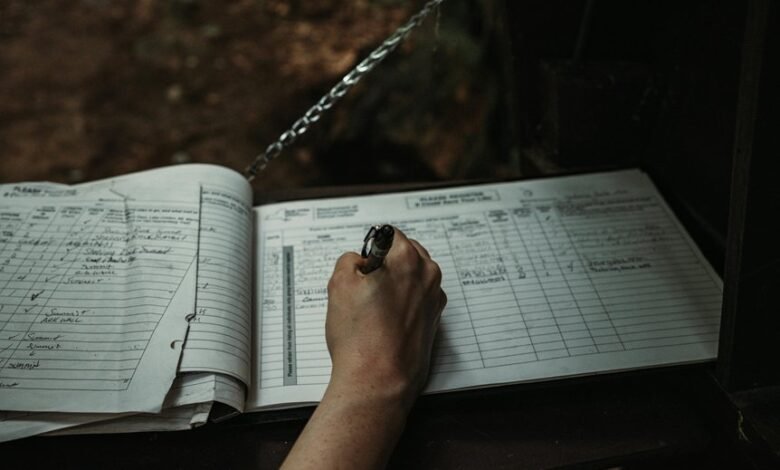
Health logs serve as essential tools for individuals aiming to manage their well-being. They facilitate the tracking of various health factors, such as exposure to chloroform and sleep quality. By maintaining detailed records, users can identify patterns that may influence their health outcomes. However, the effectiveness of these logs hinges on their organization and regular updates. Understanding the nuances of both chloroform exposure and sleep monitoring can reveal critical insights into personal health management.
The Importance of Health Logs
Although many individuals may overlook the significance of maintaining health logs, their role in personal health management is critical.
Health logs facilitate tracking health benefits over time, enabling individuals to identify patterns and make informed decisions.
Employing effective journaling techniques can enhance this process, leading to improved awareness of health behaviors and outcomes, ultimately fostering a greater sense of control and autonomy in personal health management.
Understanding Chloroform Exposure
Chloroform exposure is a topic of significant concern in both occupational and environmental health contexts. Its toxicity can lead to various exposure symptoms, including dizziness, headaches, and respiratory issues.
Prolonged contact may result in severe health consequences, necessitating awareness and monitoring. Understanding the pathways and risks associated with chloroform is essential for mitigating potential harm and ensuring informed decision-making regarding exposure limits.
Monitoring Sleep Quality
A significant number of individuals experience challenges related to sleep quality, which can have profound effects on overall health and well-being.
Monitoring sleep patterns is essential for effective quality assessment. By systematically tracking sleep duration, disturbances, and overall restfulness, individuals can identify factors influencing their sleep.
This data enables a better understanding of personal sleep needs, fostering improved health outcomes and well-being.
Practical Tips for Effective Record-Keeping
Effective record-keeping is crucial for individuals aiming to enhance their understanding of sleep patterns and overall health.
Utilizing digital tools can streamline record organization, allowing for efficient data collection and analysis. Individuals should regularly update their logs, categorize entries meaningfully, and utilize reminders for consistency.
This structured approach empowers users to identify trends and make informed decisions regarding their well-being and sleep hygiene.
Conclusion
In conclusion, health logs serve as vital navigational tools in the complex landscape of personal wellness, guiding individuals through potential hazards like chloroform exposure and the intricacies of sleep quality. By diligently recording and analyzing their health data, users can illuminate patterns that may otherwise remain hidden in the shadows. Ultimately, the proactive management of health through these logs fosters a deeper understanding of one’s well-being, paving the way for informed decisions and enhanced quality of life.